

Research on Antistatic Modification of Cosmetic Brush Bristle Fibers
Antistatic Modification of Cosmetic Brush Bristle Fibers: Research Progress and Application Insights
In the cosmetics industry, the performance of cosmetic brush bristle fibers directly impacts user experience, from powder pickup to makeup application smoothness. A critical yet often overlooked issue is static electricity accumulation on bristle fibers, which can cause problems like dust adsorption, uneven powder distribution, and even skin irritation. This has driven growing research into antistatic modification of cosmetic brush bristle fibers, aiming to enhance both functionality and user satisfaction.
Static electricity in bristle fibers primarily stems from the insulating nature of common materials like nylon (PA) and polyester (PBT). When these fibers rub against skin, makeup powders, or packaging, they accumulate electric charges, leading to phenomena such as powder flying off the brush or bristle clumping. Traditional solutions, like adding humectants or using conductive additives in fiber production, have shown limited durability or compromised bristle softness. Recent studies, however, have explored more advanced modification techniques to address these challenges.
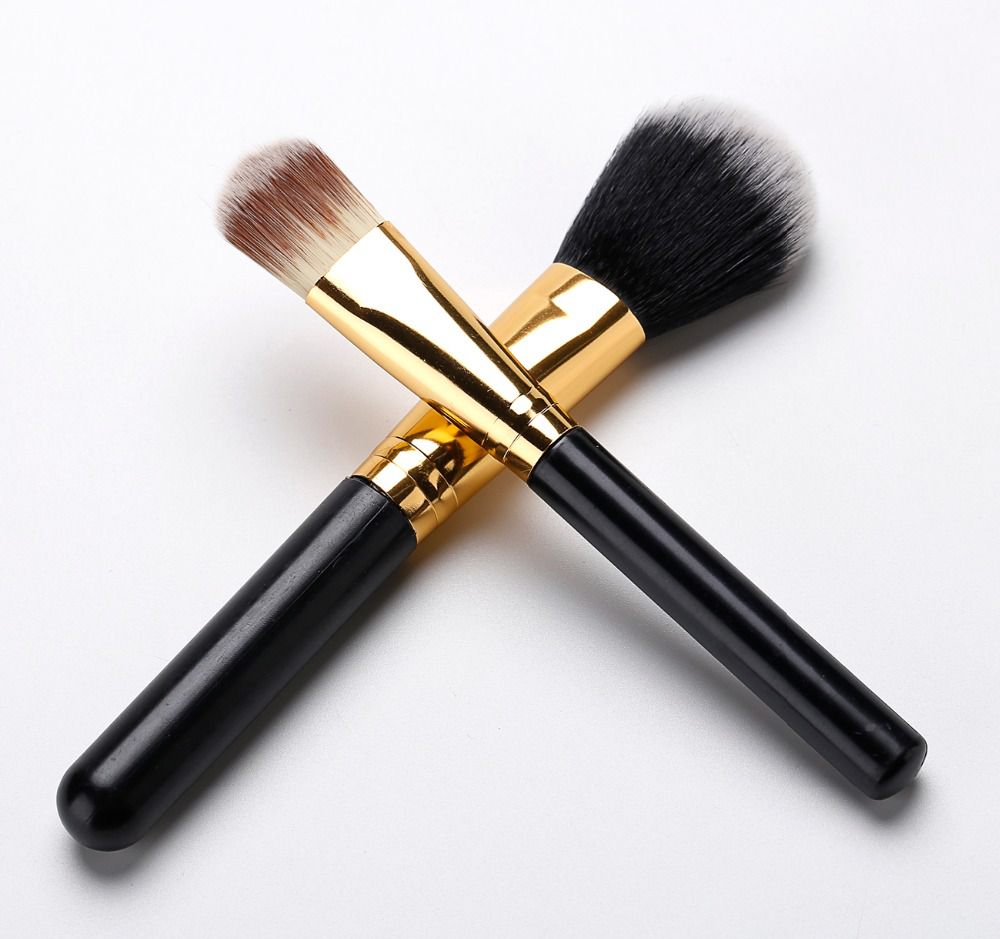
One promising approach is surface coating modification. By depositing thin layers of conductive materials—such as polypyrrole (PPy), polyaniline (PANI), or graphene oxide—onto bristle surfaces, researchers create conductive pathways that dissipate static charges. For instance, a study published in the Journal of Cosmetic Science demonstrated that bristle fibers coated with PPy via in-situ polymerization showed a surface resistance reduction from 10¹⁴ Ω to 10⁷ Ω, significantly lowering static buildup. The coating also maintained the bristle’s flexibility, ensuring no compromise in softness.
Another effective method is blend modification, where antistatic agents are incorporated into the fiber matrix during extrusion. Common additives include ionic liquids, carbon nanotubes (CNTs), or metal oxide nanops (e.g., ZnO, TiO₂). These additives form a continuous conductive network within the fiber, enabling long-term static dissipation. A comparative study found that nylon-6 fibers blended with 3% CNTs exhibited a static half-life of<2 seconds, compared to >30 seconds for unmodified fibers, with minimal impact on bristle strength.
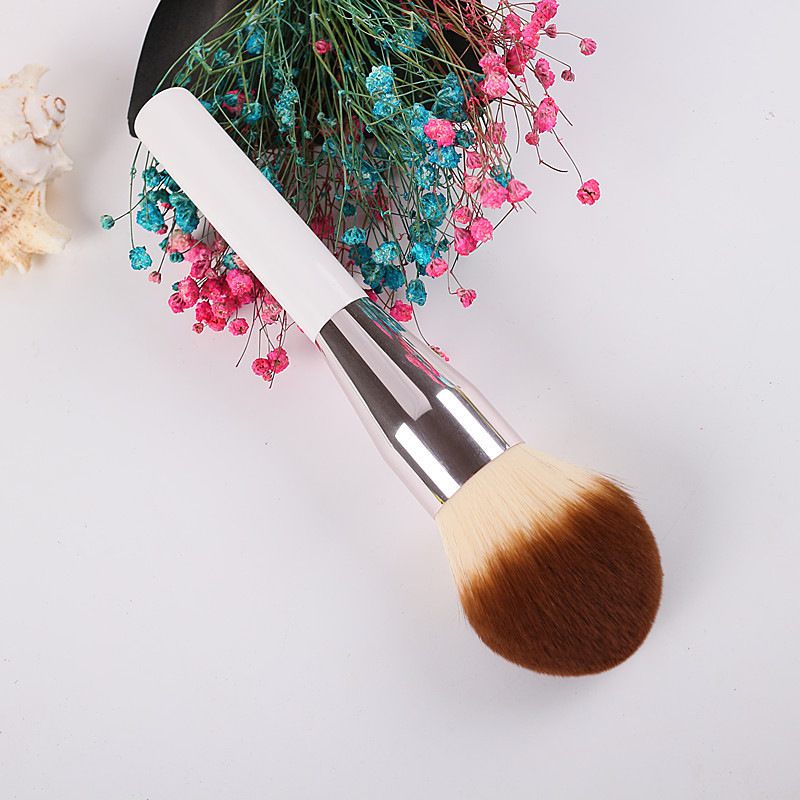
Grafting modification, which involves chemically attaching polar groups (e.g., hydroxyl, carboxyl) to fiber surfaces, is also gaining traction. This increases fiber hydrophilicity, reducing friction-induced charge separation. For example, UV-induced grafting of acrylic acid onto PBT fibers improved surface wettability, cutting static charge accumulation by 60% in dry environments (relative humidity<30%).
The practical benefits of antistatic modified bristles are clear. In consumer trials, brushes with modified fibers showed 40% less powder fallout, more even color payoff, and reduced dust attraction during storage. For manufacturers, these modifications can differentiate products in a competitive market, particularly in premium segments where user experience is paramount.
However, challenges remain. Surface coatings may degrade over time with repeated washing, while blend modification can increase production costs. Future research should focus on optimizing durability—for example, combining coating and blend methods—or exploring biodegradable conductive materials to align with sustainability trends.
In conclusion, antistatic modification of cosmetic brush bristle fibers is no longer a niche concern but a key driver of product innovation. By leveraging advanced materials science and surface engineering, manufacturers can enhance brush performance, meet consumer demands for quality, and stay ahead in the evolving cosmetics landscape.


